What California's AB 723 actually says
The bill is titled Real estate: digitally altered images: disclosure. The Governor approved it on October 10, 2025, as Chapter 497 of the Statutes of 2025, adding Section 10140.8 to the Business and Professions Code[1]. It passed as a non-urgency bill, so it took effect on January 1, 2026. Two obligations sit at the center of it, and they apply to "a real estate broker or salesperson, or person acting on their behalf" — which includes your photographer, your marketing assistant and any software you use.
- A statement that is hard to miss. Any advertisement or promotional material that includes a digitally altered image has to carry a statement "disclosing that the image has been altered," and that statement must be "reasonably conspicuous and located on or adjacent to the image"[1]. A line buried at the bottom of the listing remarks is not on or adjacent to the image.
- A way to see the original. The same statement has to include a link to a publicly accessible website, URL or QR code that shows the original, unaltered image, and it has to say that the unaltered image can be seen there[1]. Where the listing is on a website you control, the original has to be posted there too.
An image counts as digitally altered if photo editing software or AI was used to add, remove or change elements of the picture, and the statute names fixtures, furniture, appliances, flooring, walls, paint color, hardscape, landscape, facade and floor plans, plus things outside or visible from the property such as streetlights, utility poles, views through windows and neighboring properties[1]. Virtual staging is squarely inside that. What is not covered is ordinary photo work: "lighting, sharpening, white balance, color correction, angle, straightening, cropping, exposure, or other common photo editing adjustments" that do not change how the property is represented.
The legislative digest is blunt about the stakes: a willful violation of the Real Estate Law is a crime, and this bill adds a new requirement to that law[1]. That is not the usual "may be subject to disciplinary action" language.
What this means for a normal listing
Nothing about virtual staging has become illegal. What has become illegal in California is doing it quietly. In practice, three habits cover it:
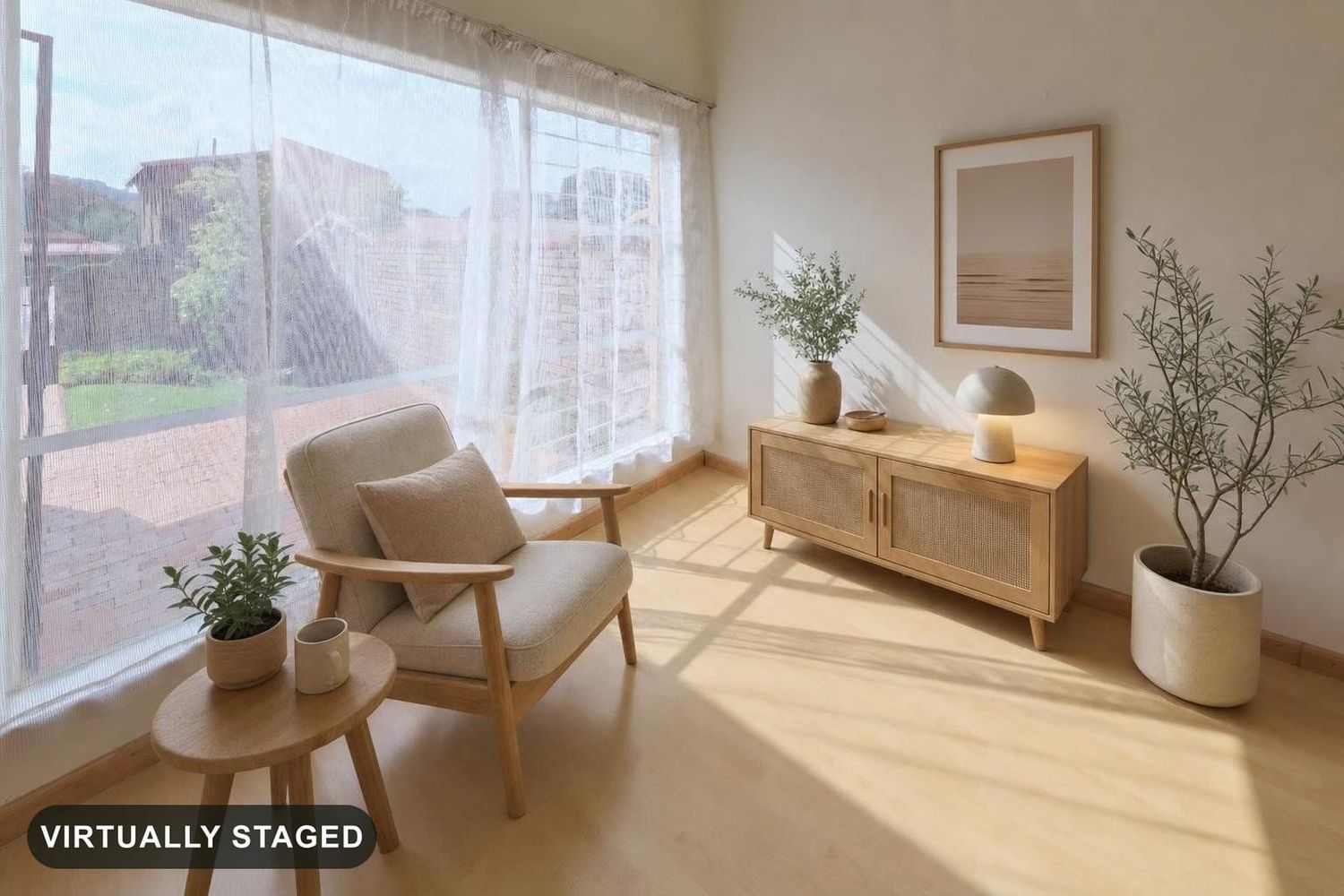
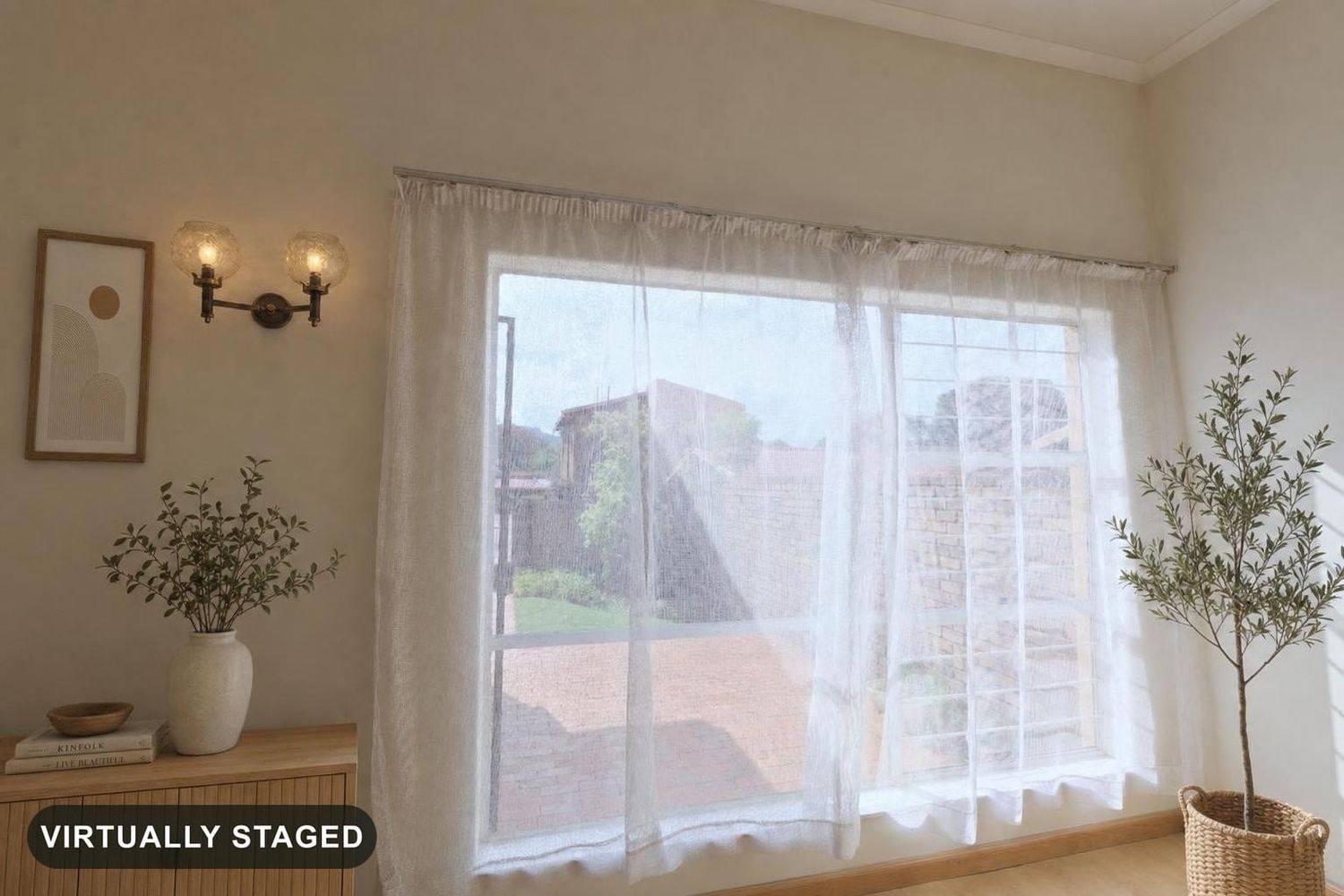
- Put the words on the picture. A "Virtually staged" label baked into the image travels with it — onto a portal, into a PDF flyer, into a screenshot somebody texts a friend. A caption does not travel. Given the statute asks for the statement to be on or adjacent to the image, a label is the version still attached after the photo leaves your MLS.
- Post the original and link to it. San Diego's MLS put it plainly when it implemented the law: the image must be clearly disclosed as digitally altered, and "the unaltered original image must be available and paired with the altered image"[2].
- Never change the house. Furniture is staging. Removing a power line, widening a room, greening a lawn, editing out the neighbor's roof — those change what somebody is buying, and no disclosure makes them a good idea.
Outside California
The national picture has not changed, but it was never permissive. Article 12 of the Realtor Code of Ethics requires Realtors to present "a true picture" in their advertising and representations to the public[3]. MLS rules commonly require each virtually staged photo to be labeled, in the photo caption or as a badge on the image, and many require the disclosure on each altered image rather than once in the listing remarks[4].
So the honest summary is: California wrote into law, with criminal consequences for willful violations, what the rest of the country already expected. If you already label staged photos and post the originals, AB 723 asks for one more thing — the link to the original. If you do none of it, California is the first state to attach real consequences.
The part nobody mentions: disclosure is good marketing
There is a common worry that a "virtually staged" label makes a listing look weaker. The more common complaint from buyers runs the other way: arriving at a showing to find a house that looks nothing like its photos. A visible label and a visible original head that off, and the buyer who walks in already knowing the room is empty is a buyer who is not disappointed.
The National Association of Realtors' 2025 Profile of Home Staging puts the value of staging itself in perspective: 49% of sellers' agents said staging reduced time on market, and 29% reported it increased the dollar value offered by 1% to 10%[5]. The same report is more measured about virtual staging specifically: 34% of sellers' agents considered it less important than physical staging, and 24% considered it equally important. It is a tool, not a miracle.
Who is actually on the hook
The statute reaches "a real estate broker or salesperson, or person acting on their behalf"[1]. That last clause is the one worth reading carefully, because the obligation does not move when the work does. If your photographer stages the image, if your marketing coordinator uploads it, if a piece of software adds the furniture — the disclosure duty is still yours. "The vendor did it" is not a defense, and a tool that hands you a staged photo without the original leaves you holding an obligation you cannot meet.
It also reaches every channel. The bill covers "an advertisement or other promotional material for the sale of real property," with no carve-out for a particular platform[1]. The staged photo in your MLS, the same photo on a portal, on your own site, in an emailed flyer, on a printed sheet at an open house, in a social post — each is promotional material carrying a digitally altered image.
The three mistakes that make a compliant photo non-compliant
- Disclosing once, for a whole gallery. A single line in the listing remarks saying "some photos are virtually staged" leaves a buyer unable to tell which ones. The statute ties the statement to the image, which means per image, not per listing.
- Keeping the original somewhere nobody can reach. An untouched file in a folder on your laptop does not meet the requirement. It has to be reachable through a public website, URL or QR code, and the statement has to say so. This is the half people forget, because the label feels like the whole obligation and it is only half of it.
- Letting the label fall off in transit. A caption lives in the system you typed it into. Syndicate the listing, export a PDF, let somebody screenshot a room they liked and text it to their partner, and the caption is gone while the photo travels on. A label baked into the pixels is the version that survives the journey.
What a good disclosure actually looks like
The statute does not prescribe exact wording, but it does say what the statement has to cover: that the image was altered, and where the unaltered original can be seen[1]. Two pieces do that cleanly:
- On the photo: the words "Virtually staged," set in a corner, legible at thumbnail size, in a color that holds against a light or dark room. A portal thumbnail is small, and a label sized for a full-screen view can vanish at gallery size, which is exactly where the buyer forms an impression.
- Next to the photo: a line such as "Virtually staged. Original, unaltered photo: [link]," using a website, URL or QR code that shows the original. In an MLS that pairs originals with altered images, the pairing itself is the link.
And say what happened rather than how clever it was. "Virtually staged" is a fact. "AI-enhanced visualization" is a phrase somebody wrote to avoid saying it.
What happens if you get it wrong
AB 723 sits inside California's Real Estate Law, under which a willful violation is a crime[1]. In practice the realistic exposure for an ordinary agent is less a prosecution than a complaint to the Department of Real Estate, an MLS citation, and the much more common commercial cost: a buyer who felt misled, walked, and told their agent why.
That last one is the reason to take disclosure seriously even outside California. It is cheap. A buyer who arrives expecting an empty room and finds an empty room is a buyer still in the conversation.
How to comply, photo by photo
- Stage the photo, changing only furniture and decor — never the house.
- Turn on a "Virtually staged" label so the words are baked into the image.
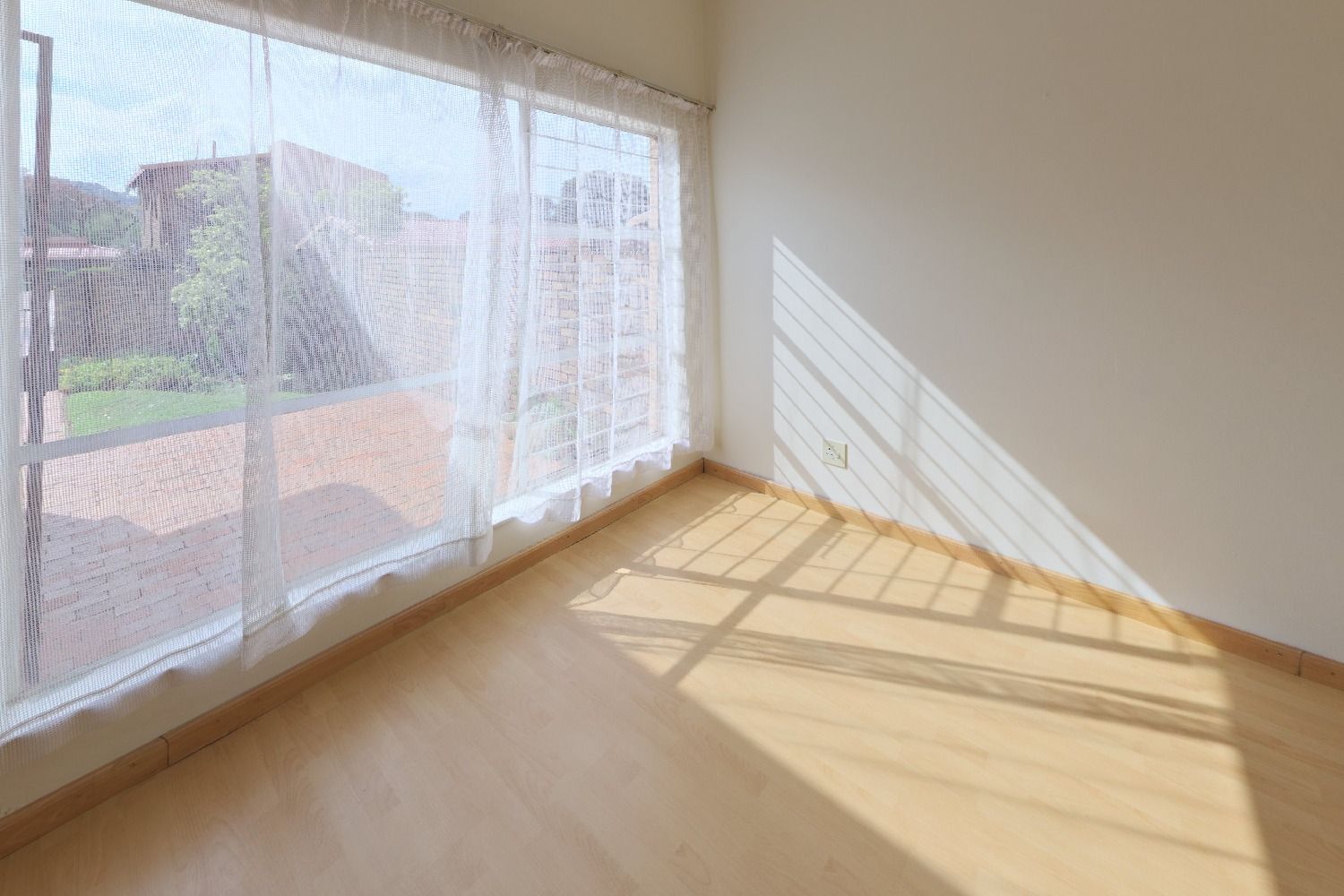
- Download both the staged photo and the untouched original.
- Upload the original where the public can see it — paired in your MLS, or on a page you control — and put the link, URL or QR code in the statement next to the staged photo.
SoldStaged handles steps one to three: the label is a switch, and the untouched original downloads beside the staged version. We do not store either photo, so download both before you leave the page. Step four is yours, because only you control where the listing is posted, and it is the step the law is strictest about.