The short list, in the order it matters
The National Association of Realtors' 2025 Profile of Home Staging reports both how often sellers' agents stage each room ("Staged") and the share of buyers' agents who named each room the most important to stage for buyers ("Top for buyers")[2]:
| Room | Staged | Top for buyers |
|---|---|---|
| Living room | 91% | 37% |
| Primary bedroom | 83% | 34% |
| Dining room | 69% | - |
| Kitchen | 68% | 23% |
| Guest bedroom | 22% | 7% |
The two columns agree, which is unusual and useful. The living room and the primary bedroom are both the most-staged and the most-valued. If you only ever stage two photos, those are the two. At the other end, a guest bedroom is staged by 22% of sellers' agents and ranked most important by just 7% of buyers[2].
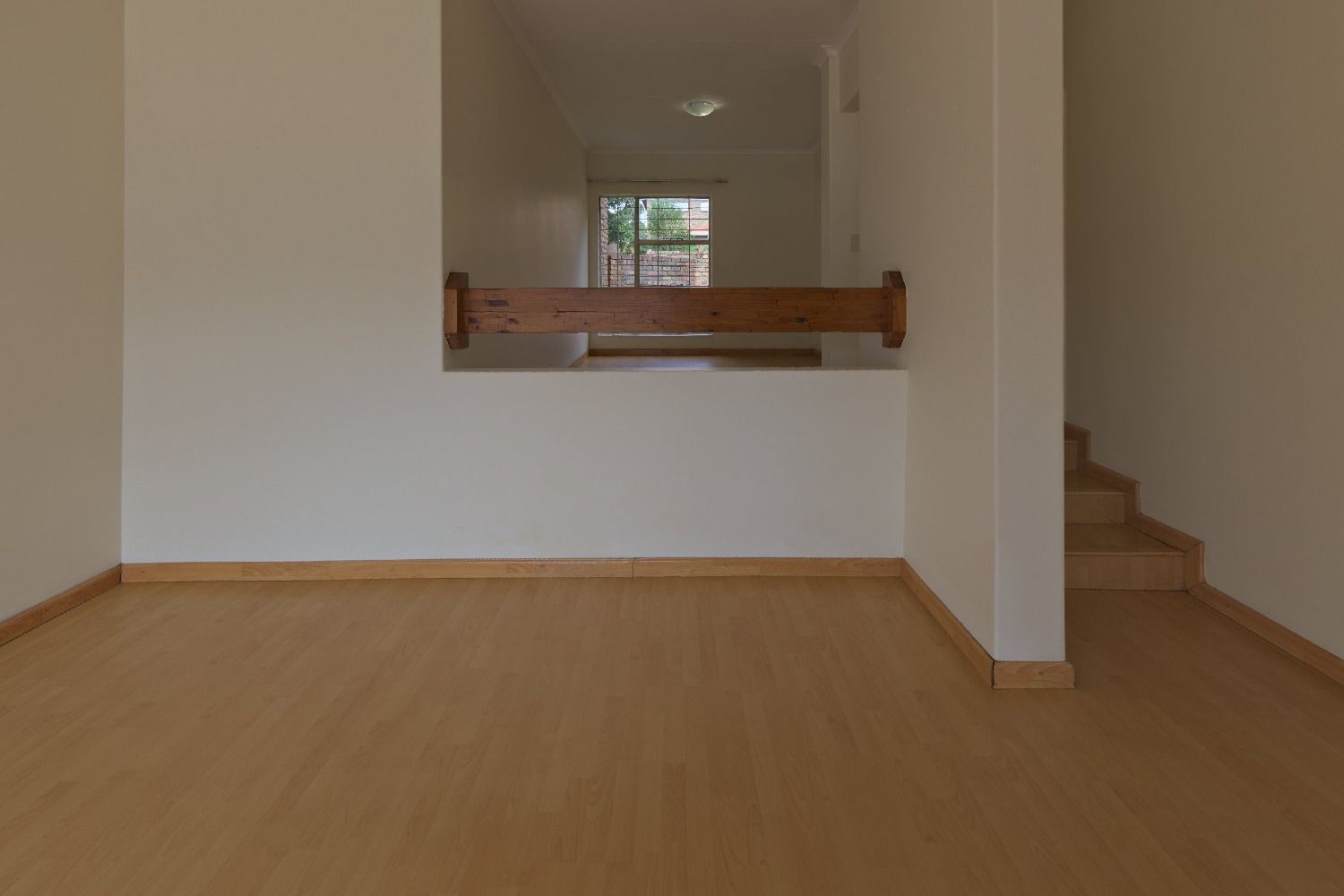
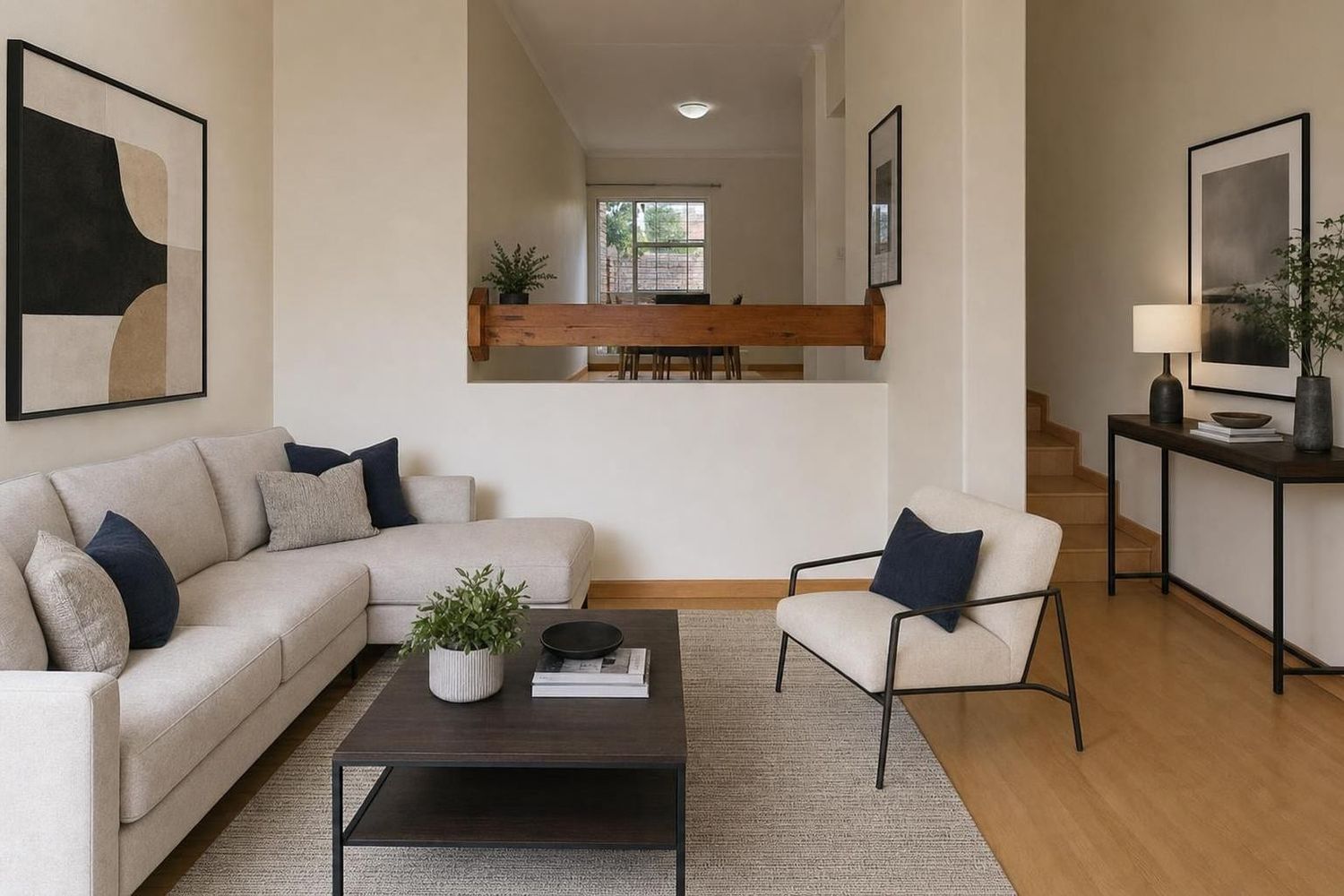
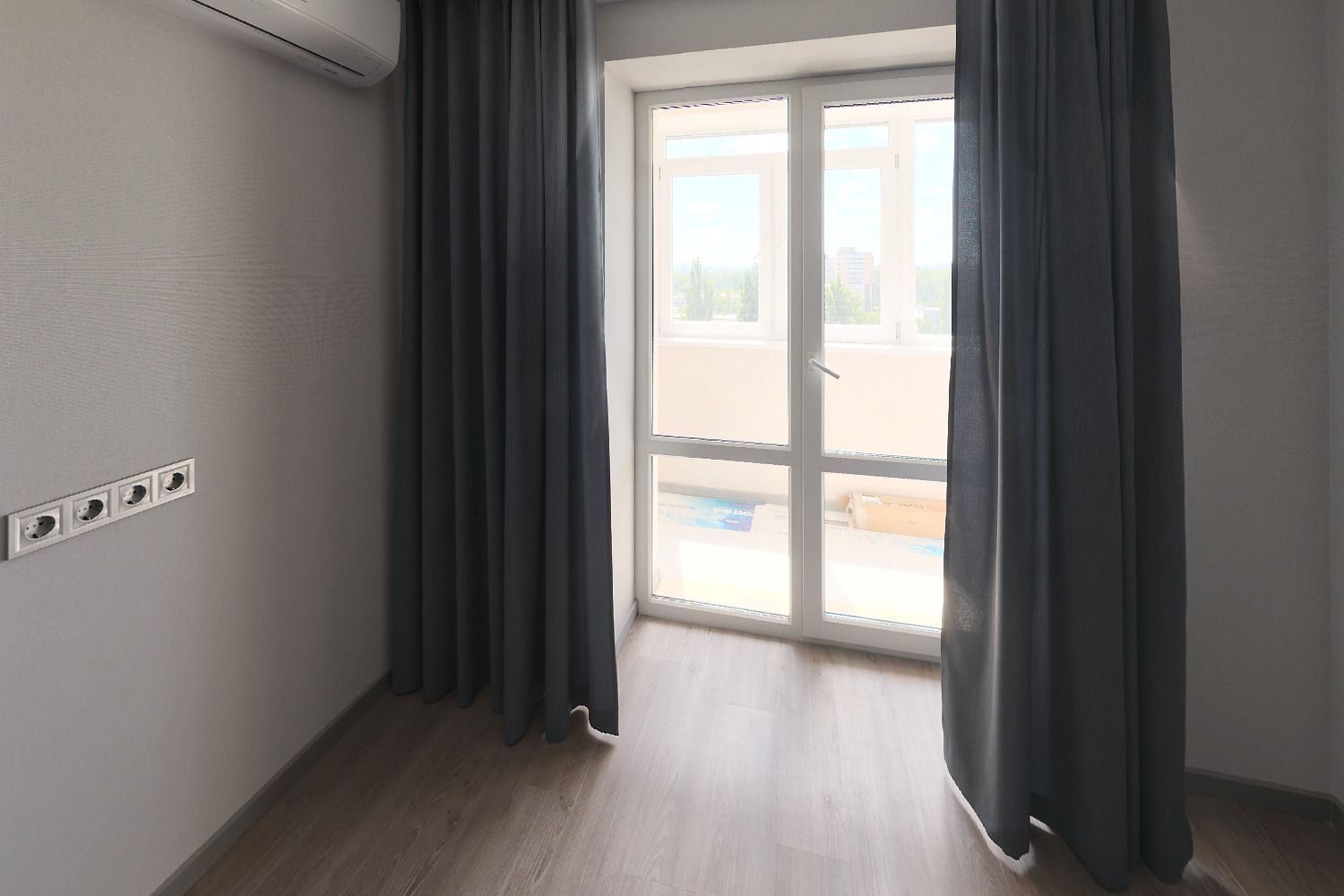
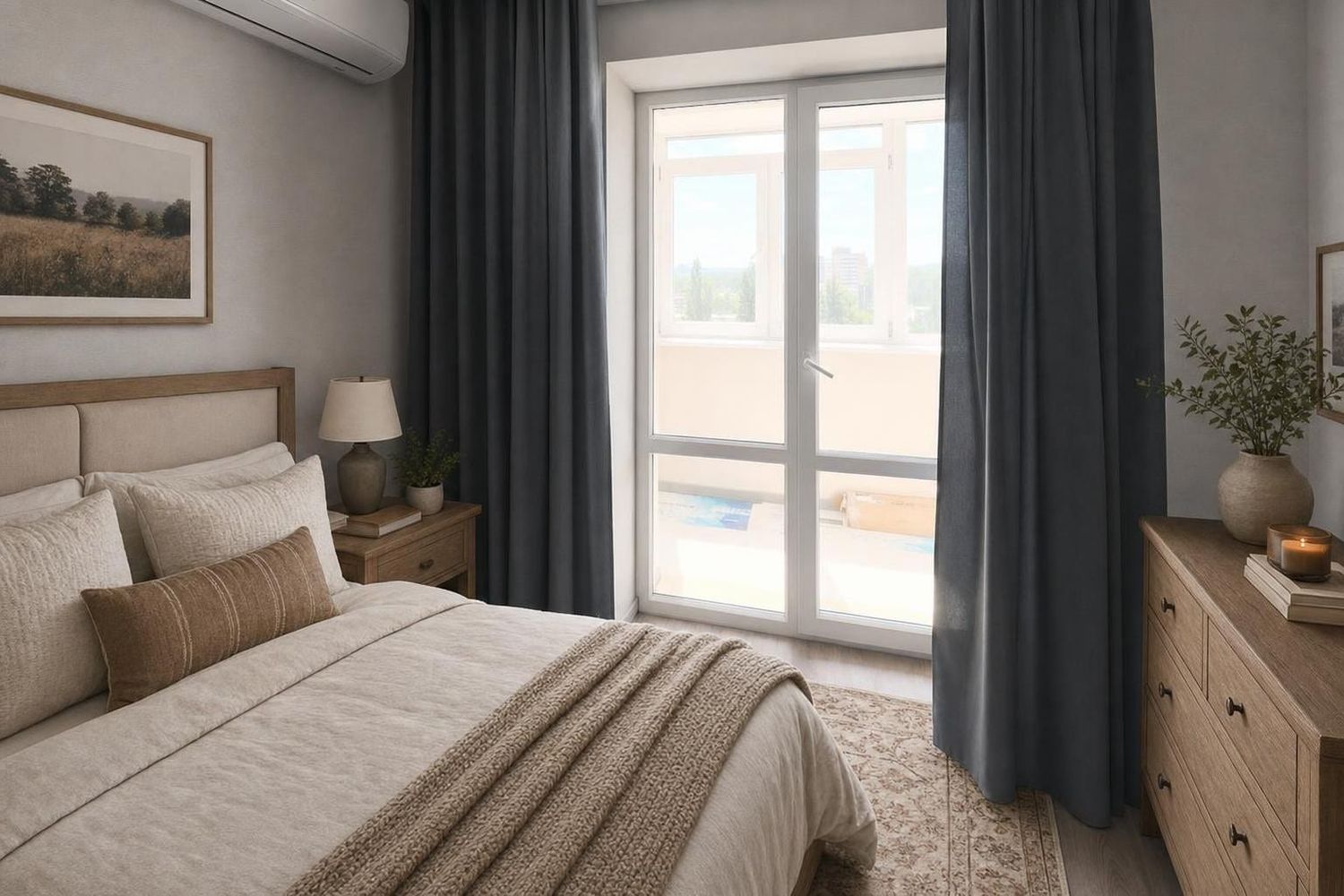
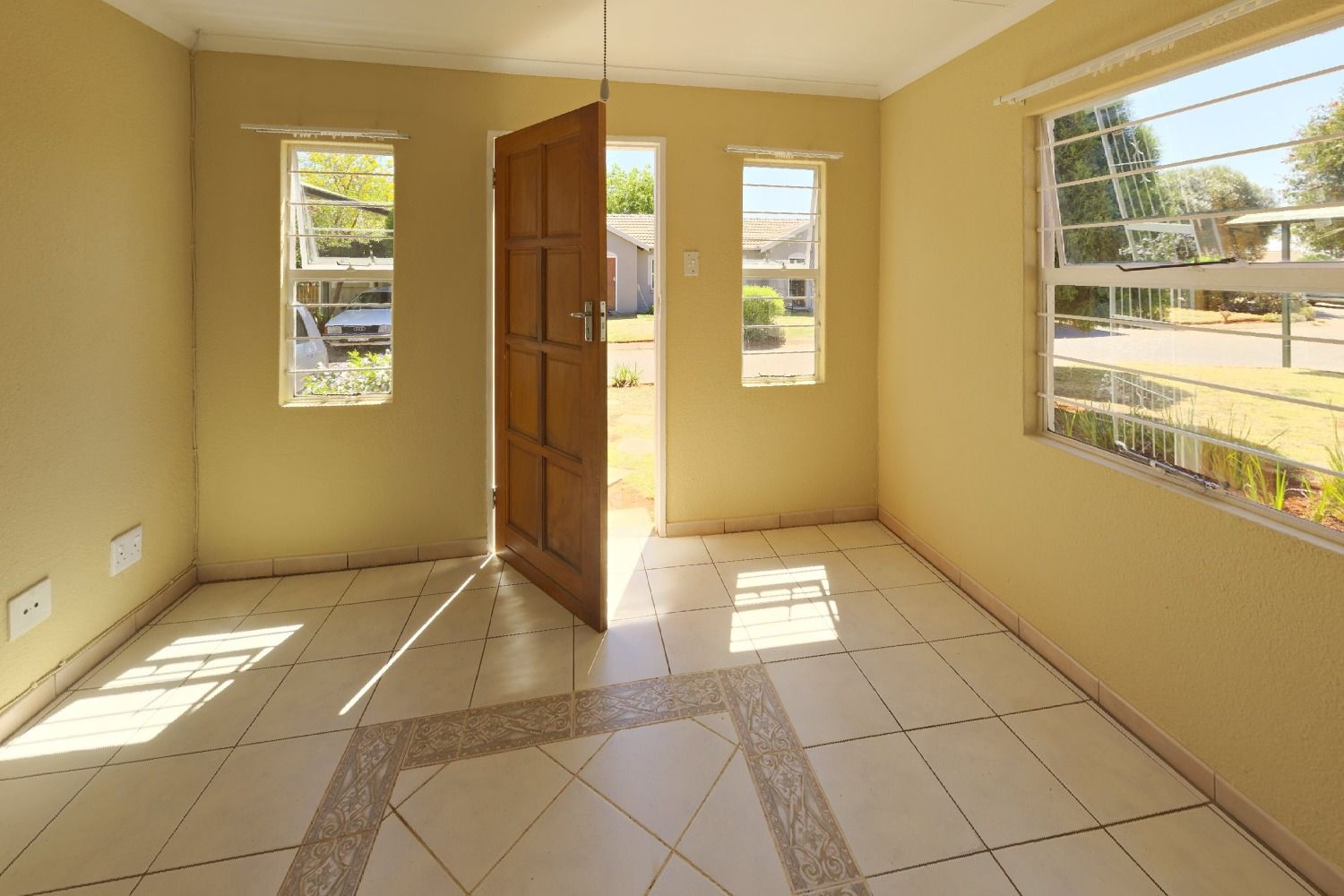
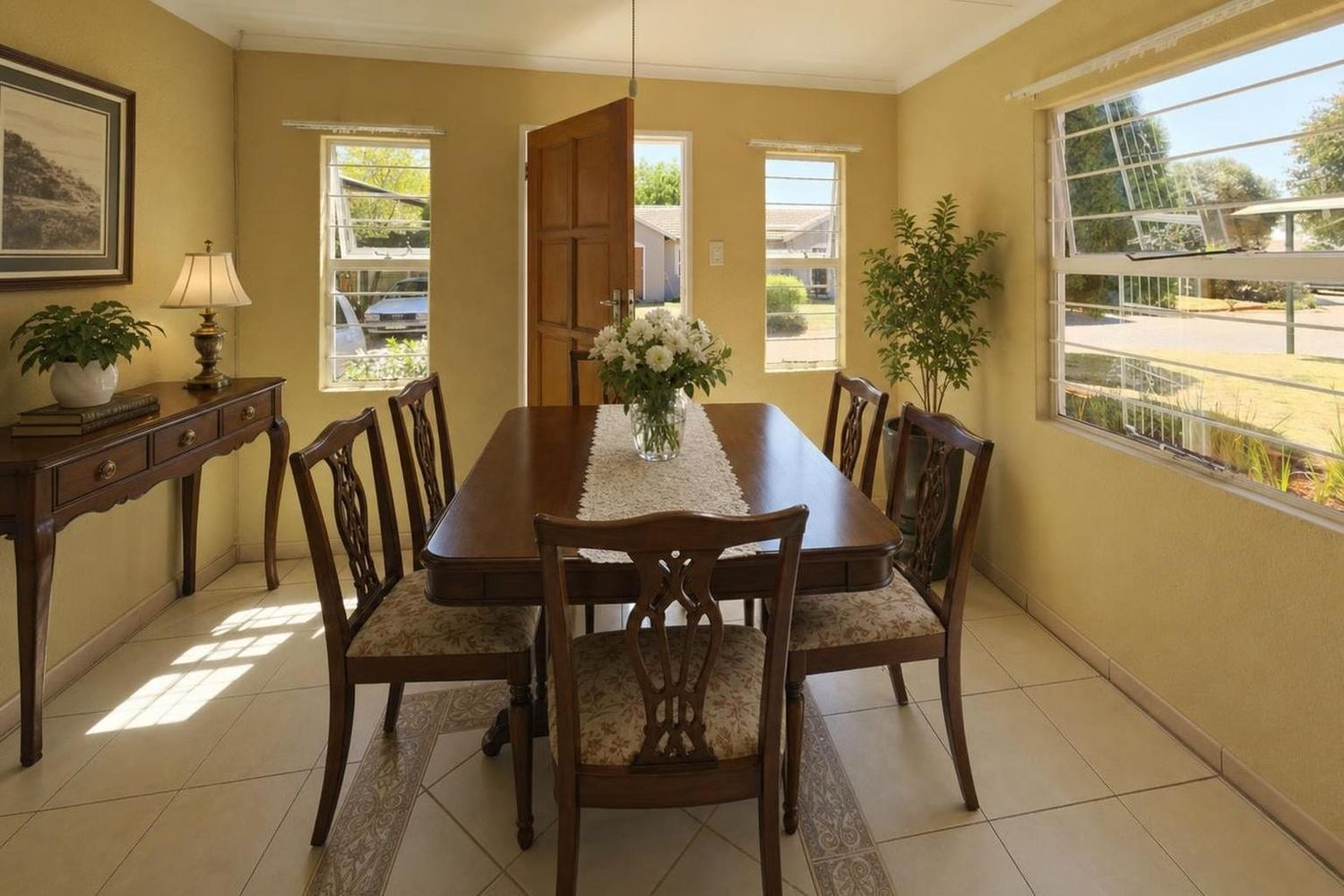
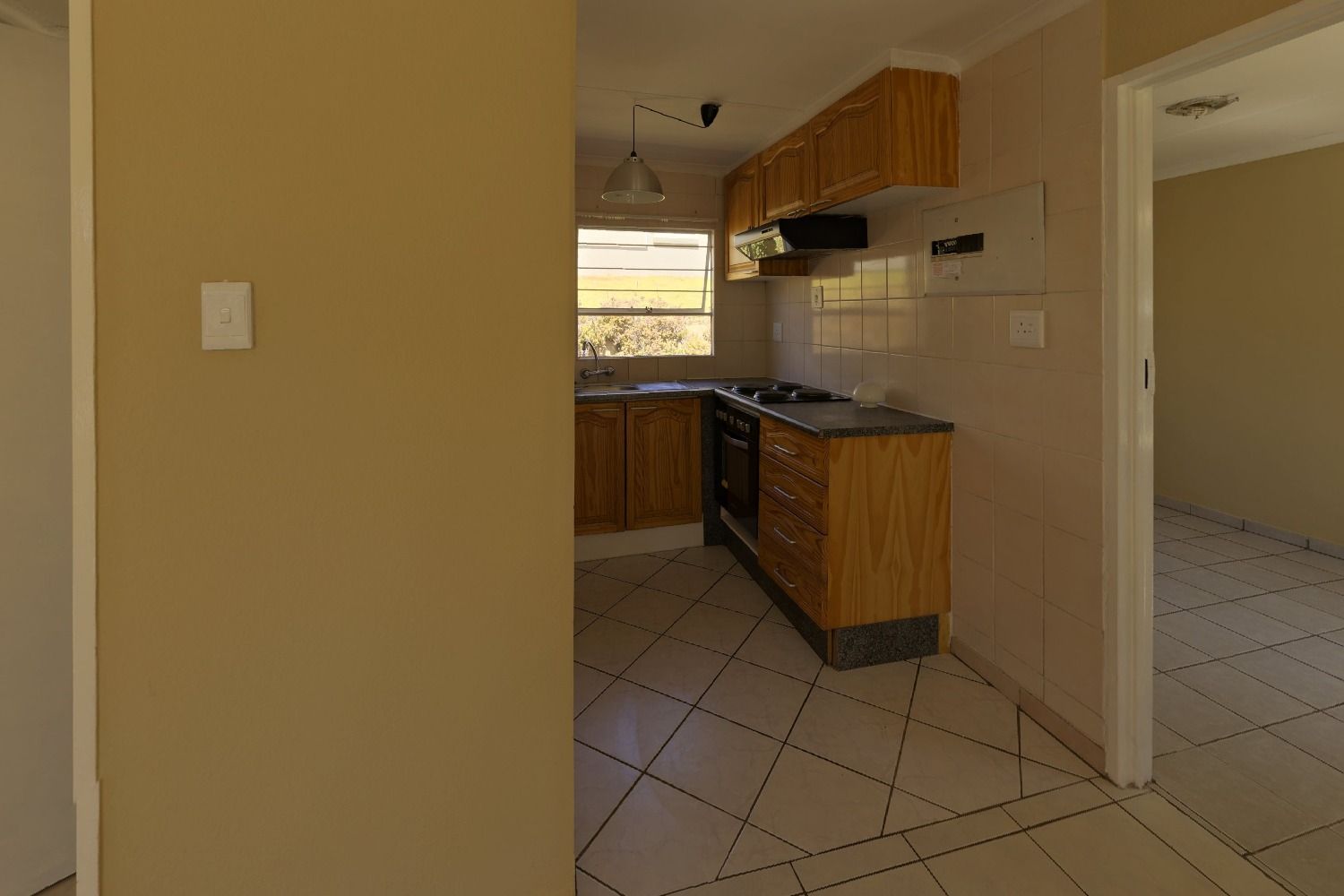
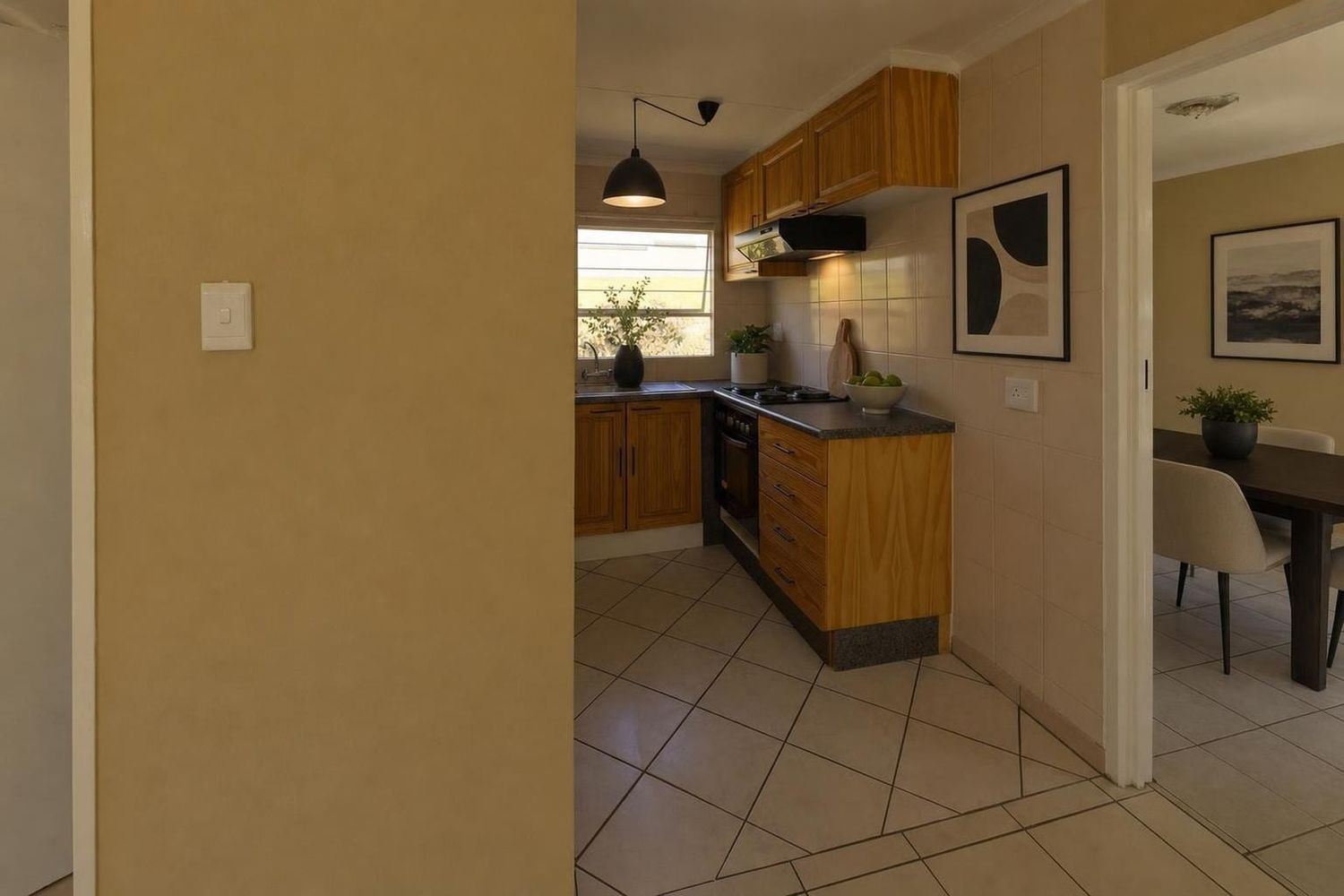
Here is what that short list looks like on a real house: the same four rooms, empty and then staged by our own engine.
Why four to six and not twenty
An average listing carries about 30 photos[1]. Staging all of them is a common instinct and a bad one, for three reasons.
- It costs several times as much for the same decision. A buyer decides whether to book a showing from the first handful of images. The twenty-second photo of a staged hallway is not what changed their mind.
- Every staged photo is a disclosure obligation. Since January 1, 2026, California's AB 723 requires a conspicuous statement on or next to every digitally altered listing image, with a link to the unaltered original[3]. Twenty staged photos is twenty statements and twenty originals to post. Five is five.
- It widens the gap between the photos and the house. A common complaint from buyers is arriving at a showing that looks nothing like the listing. A listing where the key rooms are staged and the rest are honestly empty sets an expectation the house can meet.
Vendor guidance lands in the same place. BoxBrownie tells agents that "for most listings, three to five strategically chosen images are enough," and that a good rule of thumb is to stage 20 to 30% of a listing's photos[4]. Styldod's guide says most homes benefit from staging only key rooms, not every photo[5]. Stuccco reports that its average order is six photos, and that most staging companies recommend four to six[6].
By property type
| Property | Photos to stage | Which ones |
|---|---|---|
| Studio or one-bed condo | 2-3 | Main living space, bedroom area |
| Standard family home | 4-5 | Living room, primary bedroom, dining room, kitchen |
| Larger home | 5-6 | Add a second living space or an office |
| Luxury or estate | 6-8 | Add the formal rooms buyers expect to see used |
These are our own working numbers, built from the guidance above: Zillow's four to five for a typical listing[1], and BoxBrownie's point that a small condo may only need two or three while a large vacant home can use more[4]. The judgment call in every row is the same: stage the rooms a buyer cannot picture themselves in when empty. A big square living room with nothing in it reads as "how would furniture even fit?" — that is the photo staging fixes. A bathroom does not have that problem.
What the photo is actually doing
It helps to be precise about the job staging does, because that is what tells you which photos need it. A listing photo has to survive two moments. The first is a scroll on a phone, where a buyer decides in about a second whether to open the listing at all. The second is the gallery, where they decide whether to book a showing.
An empty room fails differently in each. On the scroll it is visually flat — nothing for the eye to catch, no sense of what kind of home this is. In the gallery it creates a specific doubt: would my things fit in here? A buyer who cannot answer that question tends not to book. Staging answers it, and it only needs to answer it once or twice per home to work.
This is also why staging the twelfth photo does little. The buyer made both decisions before they got there.
Two orders that both work
If you only have budget or time for a few, there are two sensible ways to choose, and they usually pick the same photos.
By what buyers value. Take the NAR ranking straight down: living room, primary bedroom, kitchen[2]. That is the safest default and it needs no thought about the specific house.
By what is hardest to picture. Walk your own gallery and find the photos where an empty room raises a question. A large open-plan space with nothing in it. A long narrow room where the furniture layout is not obvious. A bedroom small enough that a buyer will wonder whether a real bed fits. These are the photos where staging does the most work, and on an unusual house this order beats the standard one.
The kitchen above is a good example of the difference. It is the fourth room on the NAR list, but a kitchen already has its cabinets and appliances, so staging it adds a light, some art and a few accessories rather than furniture. If you are choosing between the kitchen and an empty dining room, the dining room usually changes more.
A common mistake: staging the same room twice
Listings often carry two or three angles of the main living space. Staging all of them is tempting, and it introduces a problem buyers notice: the furniture has to match across the angles. If the sofa moves, or changes color, or the rug appears in one shot and not the next, the photos read as fake in a way a single staged photo never does.
Unless you are confident the furniture will stay consistent, stage one angle of each room and leave the others honest. One convincing photo of a living room does more than three that quietly contradict each other.
What to stage, and what to leave alone
Worth staging: any empty room whose scale is hard to read, a room whose current furniture is dated enough to distract, and an awkward space where showing one sensible layout answers a question the buyer would otherwise ask at the showing.
Not worth staging: bathrooms, hallways, laundry rooms, garages and spare bedrooms. In NAR's data the guest bedroom and children's bedroom are the least-staged rooms, at 22% each, and the guest bedroom is the least important to buyers, at 7%[2].
Never: anything that changes the house rather than its contents. Furniture is staging. Removing a power line, greening a lawn, editing out a neighbor's roof or widening a room misrepresents what is being sold, and California's AB 723 names exactly those kinds of changes — landscape, floor plans, utility poles, neighboring properties[3].
What that costs
Four to six photos is a small enough number that per-photo pricing beats a monthly plan for most agents. At $5 a photo a whole listing is $20 to $30 — and if you buy for a listing that falls through, unused photos are refunded for 30 days.
It is also why SoldStaged's picker opens at five rather than one. Five photos is a listing, and it is the first quantity where we add a free photo on top.